My Cousin Filed a Forged Power-of-Attorney on My Frail Father. The Flood Showed Me the Real One
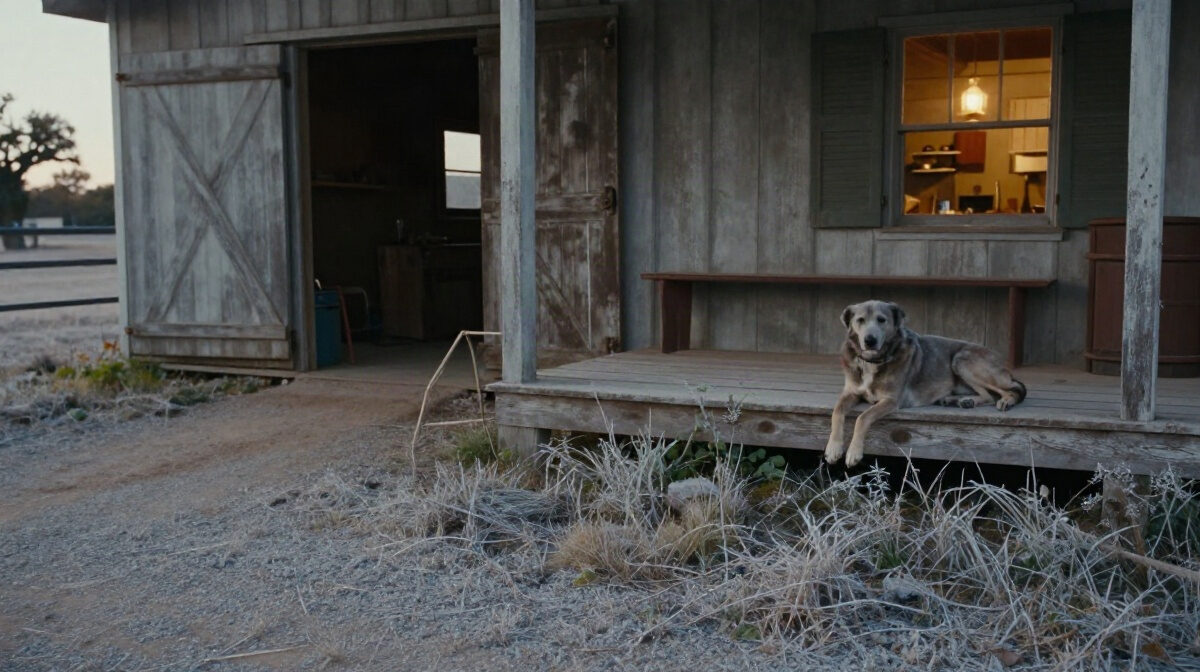
The first hard frost came on October 14, 2026. By seven that morning, every blade of grass on the Lampasas place was white and stiff. I found my father’s pension papers spread across the kitchen table, and beside his coffee cup sat a form I had never seen before.
It was a power-of-attorney. The name at the top was my father’s, Raymond Fenwick, and the agent he had named was Lyle Shelton. The date on the paper was September of this year.
“Dad,” I said, “did you sign this?”
He leaned over his glasses and squinted. “I signed a lot of things in my life, Nadine. Most of them were for the Army, and most of them were boring.”
I did not say anything else. I folded the form and slipped it into my apron pocket. Then I heard tires crunching on the gravel out front.
Lyle climbed out of his truck first, wearing a clean canvas jacket and a smile that never quite reached his eyes. Sharon came behind him with a casserole dish in both hands. Their daughter, Morgan, trailed at the back, looking like she would rather be anywhere else.
“Morning, Nadine,” Lyle said, stepping up onto the porch as if he owned it. “We thought we’d sit down and talk about the money. Somebody has to handle it properly.”
I had been handling it for two years. I drove Dad to the clinic in Lampasas after his fall in late August. I paid the feed bills and the electric bill, and I kept the books for the feed store in town from my laptop at the kitchen counter. Nobody had asked Lyle to help with any of that.
“Dad has his pension,” I said. “It comes to eighteen hundred and forty dollars a month, from his Army service and the small oil lease. Everything is in order.”
“Is it?” Lyle said. “Because this here says different.” He tapped the paper in my pocket. “I’ve got a copy that was filed with the county. Uncle Raymond gave me full authority.”
Sharon set the casserole on the rail and would not look me in the face. Morgan stared at her boots.
Out past the porch, Biscuit lay on the cold boards of the barn door with her gray muzzle on her paws. She had been there since before sunup. Every time I called her in for breakfast, she lifted her head, looked at the barn, and put it back down.
“That dog has gotten strange in her old age,” Lyle said.
“She’s eleven,” I said. “She knows what she wants.”
I went inside to check the tack-room desk. Dad had kept his pension ledger there since 1994, a thick green book with every payment and every bill written out in his square, careful hand. I pulled open the drawer.
The ledger was gone.
I searched the drawer again, then the shelves, then the box of old saddle blankets stacked beside them. Nothing. Finally I turned the desk’s empty space toward the light and found the last page torn clean out of the binding, right where the newest entries should have been.
I took Lyle’s copy from my pocket and laid it beside the drawer. The signature at the bottom looked almost like my father’s. It was close enough to fool a county clerk who had never seen his real hand, but not quite right enough to fool his own daughter.